
Winter Sale Limited Time 65% Discount Offer - Ends in 0d 00h 00m 00s - Coupon code: pass65

Pass the ARDMS RDMS AB-Abdomen Questions and answers with CertsForce

Viewing page 2 out of 5 pages
Viewing questions 11-20 out of questions
Questions # 11:

When measuring the abdominal aorta, where should the calipers be placed?

Options:

A.

Outer wall to outer wall


B.

Outer wall to inner wall


C.

Inner wall to outer wall


D.

Inner wall to inner wall


Expert Solution
Questions # 12:

Which condition is demonstrated in this image?
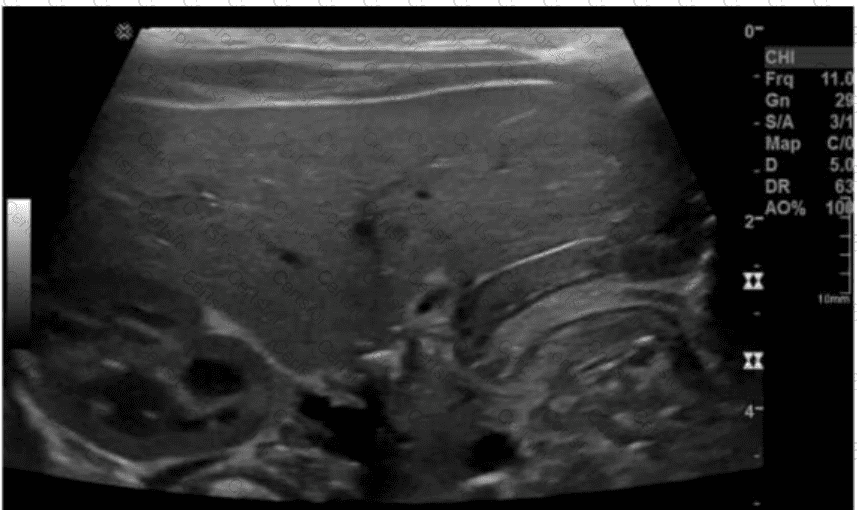
Question # 12

Options:

A.

Intussusception


B.

Pyloric stenosis


C.

Hydronephrosis


D.

Gastritis


Expert Solution
Questions # 13:

Which organ is drained via the vessel indicated by the arrow in this image?
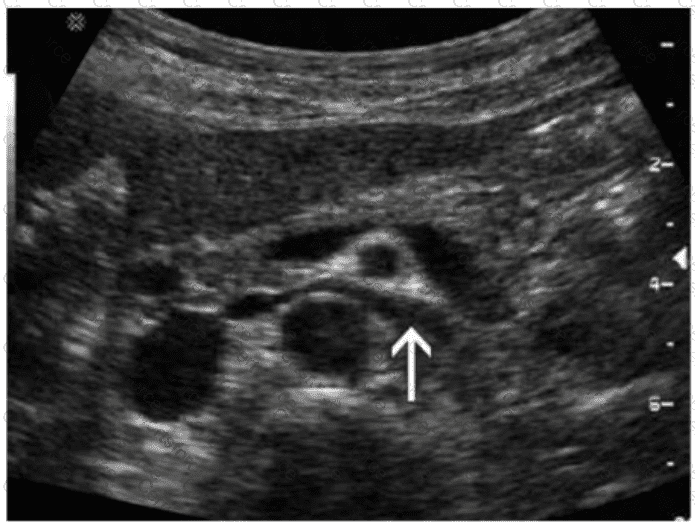
Question # 13

Options:

A.

Spleen


B.

Stomach


C.

Left kidney


D.

Duodenum


Expert Solution
Questions # 14:

Which condition is most consistent with the findings in the image below?
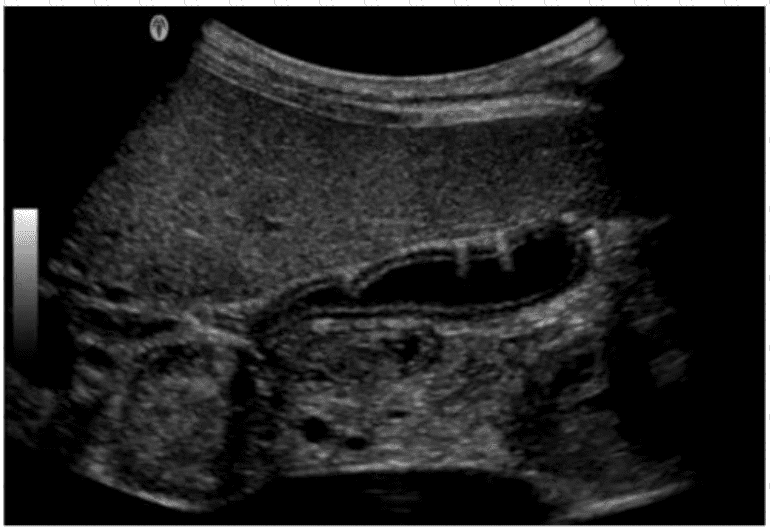
Question # 14

Options:

A.

Adenomyomatosis


B.

Porcelain gallbladder


C.

Gangrenous cholecystitis


D.

Emphysematous cholecystitis


Expert Solution
Questions # 15:

Which condition is a common cause of biliary duct obstruction?

Options:

A.

Tumor


B.

Cholecystitis


C.

Pneumobilia


D.

Hepatitis


Expert Solution
Questions # 16:

Which condition is associated with multiple pancreatic cysts?

Options:

A.

Cystic fibrosis


B.

Von Hippel Lindau syndrome


C.

Beckwith Wiedemann syndrome


D.

Autosomal recessive polycystic kidney disease


Expert Solution
Questions # 17:

Which anatomical area of the male reproductive system is demonstrated in this endorectal image?
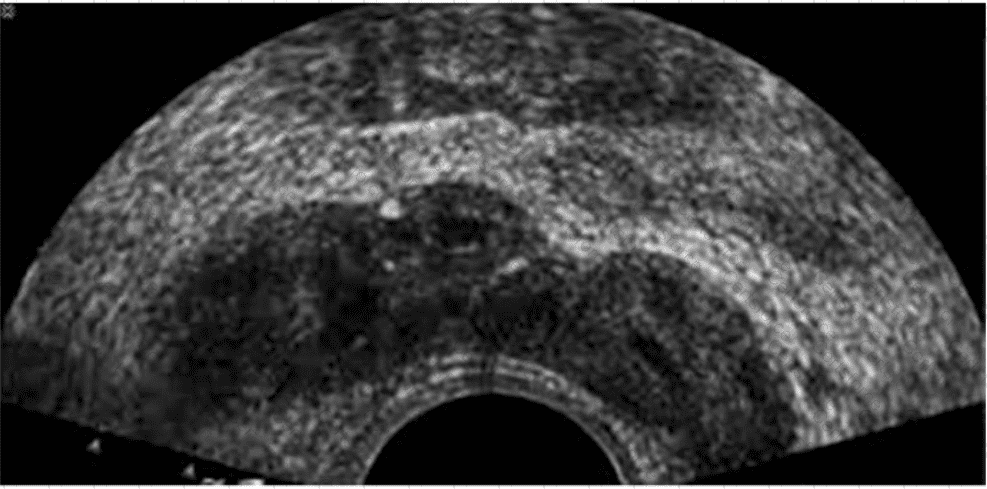
Question # 17

Options:

A.

Urethra


B.

Prostate base


C.

Seminal vesicles


D.

Ejaculatory ducts


Expert Solution
Questions # 18:

Which condition is a cause of intrahepatic dilatation with a normal common bile duct?

Options:

A.

Portal vein thrombus


B.

Tumor at the porta hepatis


C.

Choledocholithiasis


D.

Acute pancreatitis


Expert Solution
Questions # 19:

Which parameter is most likely increased distal to a renal artery stenosis?

Options:

A.

Resistive index


B.

Pulsatility index


C.

Acceleration time


D.

Spectral broadening


Expert Solution
Questions # 20:

A patient presents with right lower quadrant pain and fever. Which condition is most likely indicated by the arrow on this image?
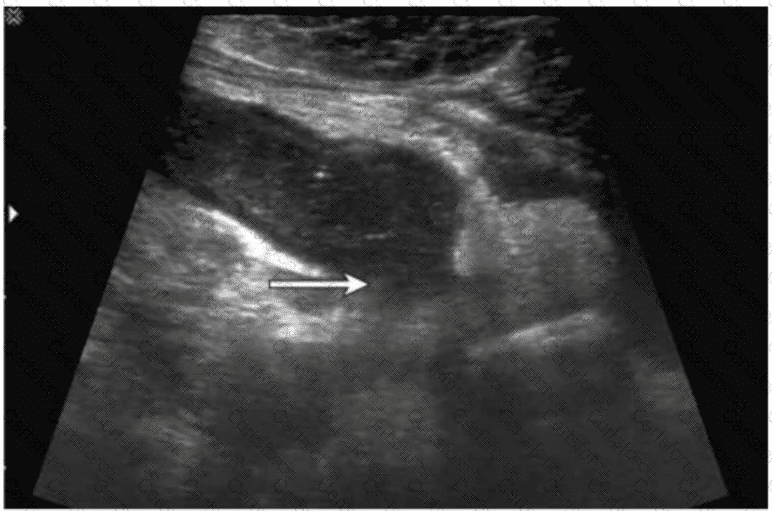

Question # 20

Options:

A.

Bowel obstruction


B.

Intussusception


C.

Enlarged lymph node


D.

Ruptured appendix


Expert Solution
Viewing page 2 out of 5 pages
Viewing questions 11-20 out of questions