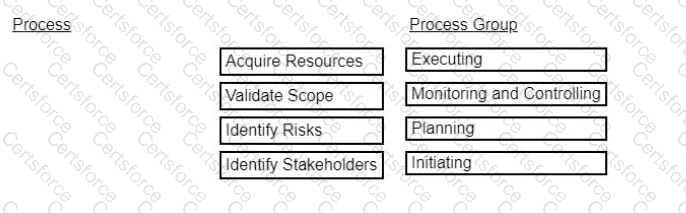
According to the PMI standard, processes are categorized into five distinct Process Groups. These groups are independent of project phases and represent the logical grouping of project management inputs, tools and techniques, and outputs.
Initiating (Process: Develop Project Charter): This group consists of those processes performed to define a new project or a new phase of an existing project by obtaining authorization to start. The Project Charter is the foundational document here.
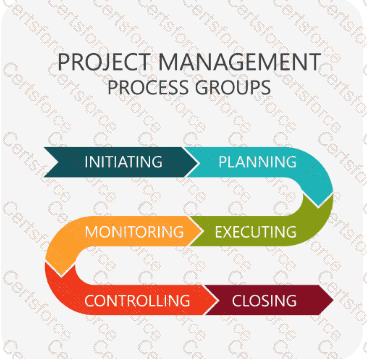
Planning (Process: Create WBS): This group involves processes required to establish the scope of the project, refine objectives, and define the course of action required to attain those objectives. Creating the Work Breakdown Structure (WBS) is a critical part of defining the scope baseline.
Executing (Process: Manage Quality): These processes are performed to complete the work defined in the project management plan to satisfy the project requirements. Manage Quality (sometimes called Quality Assurance) focuses on the processes used to ensure the project is on track to meet quality standards.
Monitoring and Controlling (Process: Monitor and Control Project Work): This group consists of processes required to track, review, and regulate the progress and performance of the project; identify any areas in which changes to the plan are required; and initiate the corresponding changes.
Closing (Process: Close Project or Phase): These processes are performed to formally complete or close the project, phase, or contract. It involves archiving information, completing lessons learned, and releasing team resources.
A common trick on the exam is confusing the Process Group (the " when/how " ) with the Knowledge Area (the " what " ). For example, while " Create WBS " is in the Scope Management Knowledge Area, it belongs strictly to the Planning Process Group.


Submit