Spring Sale Limited Time 70% Discount Offer - Ends in 0d 00h 00m 00s - Coupon code: simple70

Pass the Cisco CyberOps Professional 300-215 Questions and answers with CertsForce

Viewing page 1 out of 4 pages
Viewing questions 1-10 out of questions
Questions # 1:

Refer to the exhibit.

Question # 1

A web hosting company analyst is analyzing the latest traffic because there was a 20% spike in server CPU usage recently. After correlating the logs, the problem seems to be related to the bad actor activities. Which attack vector is used and what mitigation can the analyst suggest?

Options:

A.

SQL Injection; implement input validation and use parameterized queries.


B.

Distributed denial of service; use rate limiting and DDoS protection services.


C.

Phishing attack; conduct regular user training and use email filtering solutions.


D.

Brute-force attack; implement account lockout policies and roll out MFA.


Expert Solution
Questions # 2:

Drag and drop the capabilities on the left onto the Cisco security solutions on the right.
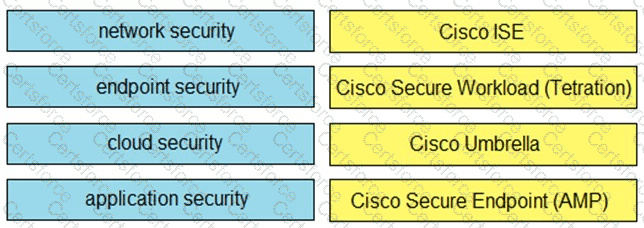
Question # 2


Expert Solution
Questions # 3:

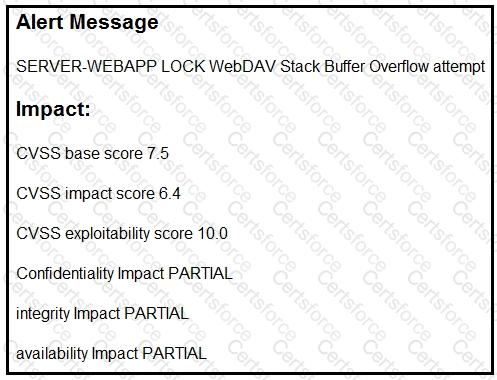
Refer to the exhibit.

Question # 3

After a cyber attack, an engineer is analyzing an alert that was missed on the intrusion detection system. The attack exploited a vulnerability in a business-critical, web-based application and violated its availability. Which two mitigation techniques should the engineer recommend? (Choose two.)

Options:

A.

encapsulation


B.

NOP sled technique


C.

address space randomization


D.

heap-based security


E.

data execution prevention


Expert Solution
Questions # 4:

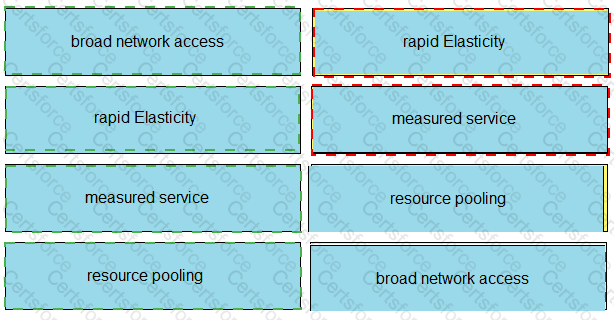
Drag and drop the cloud characteristic from the left onto the challenges presented for gathering evidence on the right.
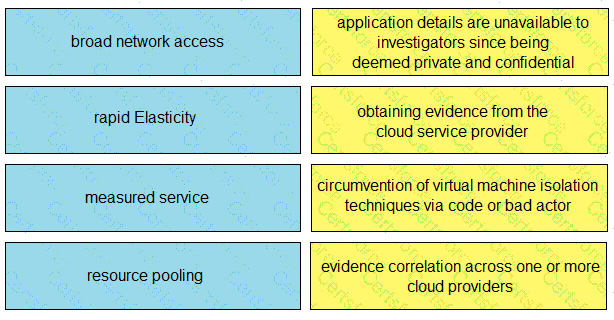
Question # 4


Expert Solution
Questions # 5:

What is the purpose of YARA rules in malware analysis and now do the rules atd in identifying, classifying, and documenting malware?

Options:

A.

They automatically remove malware from an infected system while documenting the behavior of the APT


B.

They encrypt identified malware on a system to prevent execution of files with the same classification


C.

They create a backup of identified malware and classify it according to its origin and source


D.

They use specific static patterns and attributes to identify and classify matware, characterizing its nature


Expert Solution
Questions # 6:

What are two features of Cisco Secure Endpoint? (Choose two.)

Options:

A.

file trajectory


B.

rogue wireless detection


C.

Orbital Advanced Search


D.

web content filtering


E.

full disk encryption


Expert Solution
Questions # 7:

An organization experienced a sophisticated phishing attack that resulted in the compromise of confidential information from thousands of user accounts. The threat actor used a land and expand approach, where initially accessed account was used to spread emails further. The organization's cybersecurity team must conduct an in-depth root cause analysis to uncover the central factor or factors responsible for the success of the phishing attack. The very first victim of the attack was user with email 500236186@test.com. The primary objective is to formulate effective strategies for preventing similar incidents in the future. What should the cybersecurity engineer prioritize in the root cause analysis report to demonstrate the underlying cause of the incident?

Options:

A.

investigation into the specific vulnerabilities or weaknesses in the organization's email security systems that were exploited by the attackers


B.

evaluation of the organization's incident response procedures and the performance of the incident response team


C.

examination of the organization's network traffic logs to identify patterns of unusual behavior leading up to the attack


D.

comprehensive analysis of the initial user for presence of an insider who gained monetary value by allowing the attack to happen


Expert Solution
Questions # 8:

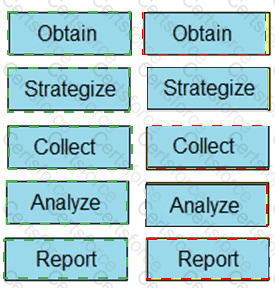
Drag and drop the steps from the left into the order to perform forensics analysis of infrastructure networks on the right.
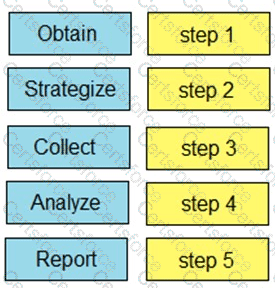
Question # 8


Expert Solution
Questions # 9:

An organization experienced a ransomware attack that resulted in the successful infection of their workstations within their network. As part of the incident response process, the organization's cybersecurity team must prepare a comprehensive root cause analysis report. This report aims to identify the primary factor or factors responsible for the successful ransomware attack and to formulate effective strategies to prevent similar incidents in the future. In this context, what should the cybersecurity engineer emphasize in the root cause analysis report to demonstrate the underlying cause of the incident?

Options:

A.

evaluation of user awareness and training programs aimed at preventing ransomware attacks


B.

analysis of the organization's network architecture and security infrastructure


C.

detailed examination of the ransomware variant, its encryption techniques, and command-and-control servers


D.

vulnerabilities present in the organization's software and systems that were exploited by the ransomware


Expert Solution
Questions # 10:

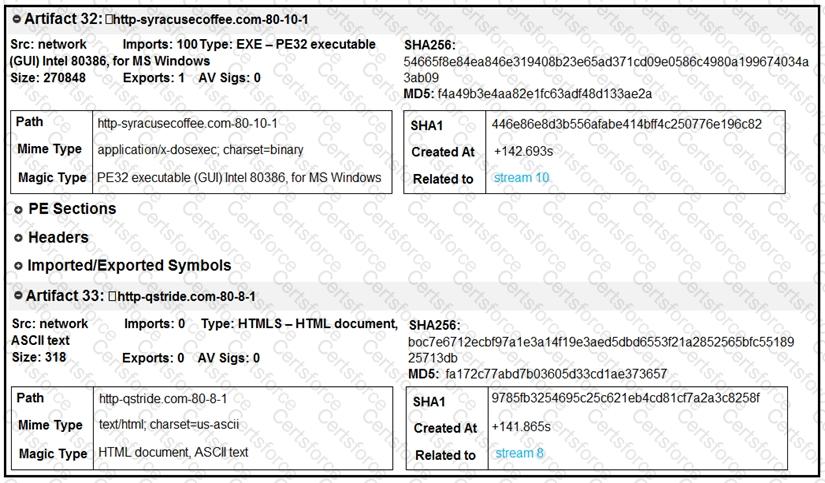
Refer to the exhibit.

Question # 10

What do these artifacts indicate?

Options:

A.

An executable file is requesting an application download.


B.

A malicious file is redirecting users to different domains.


C.

The MD5 of a file is identified as a virus and is being blocked.


D.

A forged DNS request is forwarding users to malicious websites.


Expert Solution
Viewing page 1 out of 4 pages
Viewing questions 1-10 out of questions