Explanation
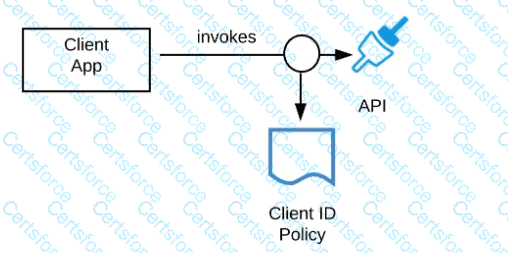
Correct Answer: The API policy is defined in API Manager for a specific API instance, and then ONLY applied to the specific API instance.
*****************************************
>> Once our API specifications are ready and published to Exchange, we need to visit API Manager and register an API instance for each API.
>> API Manager is the place where management of API aspects takes place like addressing NFRs by enforcing policies on them.
>> We can create multiple instances for a same API and manage them differently for different purposes.
>> One instance can have a set of API policies applied and another instance of same API can have different set of policies applied for some other purpose.
>> These APIs and their instances are defined PER environment basis. So, one need to manage them seperately in each environment.
>> We can ensure that same configuration of API instances (SLAs, Policies etc..) gets promoted when promoting to higher environments using platform feature. But this is optional only. Still one can change them per environment basis if they have to.
>> Runtime Manager is the place to manage API Implementations and their Mule Runtimes but NOT APIs itself. Though API policies gets executed in Mule Runtimes, We CANNOT enforce API policies in Runtime Manager. We would need to do that via API Manager only for a cherry picked instance in an environment.
So, based on these facts, right statement in the given choices is - "The API policy is defined in API Manager for a specific API instance, and then ONLY applied to the specific API instance".
[Reference: https://docs.mulesoft.com/api-manager/2.x/latest-overview-concept, , ]