According to the PMBOK® Guide, the Project Schedule Management knowledge area includes the processes required to manage the timely completion of the project. There are six processes in this knowledge area, and the three correct options from your list are:
A. Define Activities: This is the process of identifying and documenting the specific actions to be performed to produce the project deliverables. It breaks down work packages into schedule activities.
C. Estimate Activity Durations: This is the process of estimating the number of work periods needed to complete individual activities with estimated resources. It uses inputs like the activity list and resource requirements.
D. Develop Schedule: This is the process of analyzing activity sequences, durations, resource requirements, and schedule constraints to create the project schedule model for project execution and monitoring and controlling.
Analysis of other options:
B. Plan Resource Management (Option B): This process belongs to the Project Resource Management knowledge area. It involves defining how to estimate, acquire, manage, and use team and physical resources.
E. Acquire Resources (Option E): This is also part of Project Resource Management. It is the process of obtaining team members, facilities, equipment, materials, supplies, and other resources necessary to complete project work.
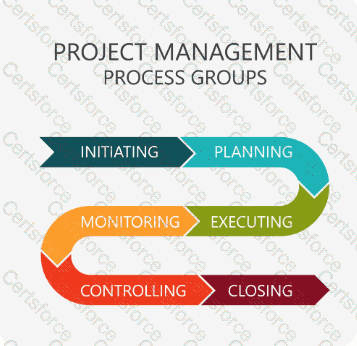
Per the PMI standards, the full sequence of Schedule Management involves Planning, Defining Activities, Sequencing Activities, Estimating Durations, Developing the Schedule, and finally, Controlling the Schedule.


Submit