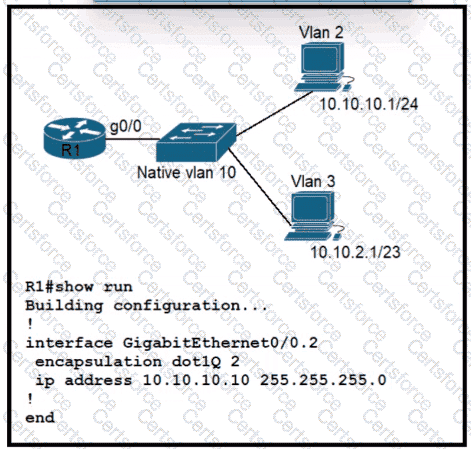
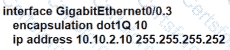
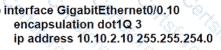
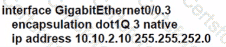
Option C. The answer follows from standard Cisco behavior and the operational clue in the scenario. Cisco CCNA 200-301 v1.1 includes this under Network Fundamentals, where the expected skill is selecting the feature that actually produces the requested network behavior. The wording normally gives the clue: protocol family, address scope, trunk state, route preference, security mode, API method, or controller role. The other choices are adjacent technologies or commands, but they do not meet the stated requirement. In production, choosing the wrong option would typically cause failed client access, a broken route, insecure management, or an automation workflow that targets the wrong interface. The selected answer is the Cisco-consistent behavior for this item.
Contribute your Thoughts:
Chosen Answer:
This is a voting comment (?). You can switch to a simple comment. It is better to Upvote an existing comment if you don't have anything to add.



Submit