
Scenario: Threat intelligence analysis and compromised server remediation
You are a security operations analyst for a banking institution. Your main job function is to compare current, high-fidelity threat intelligence feeds to activity occurring on the bank ' s web server and customer relationship management (CRM) server.
The security operations center (SOC) has received multiple threat intelligence reports containing indicators of potentially malicious network activity.
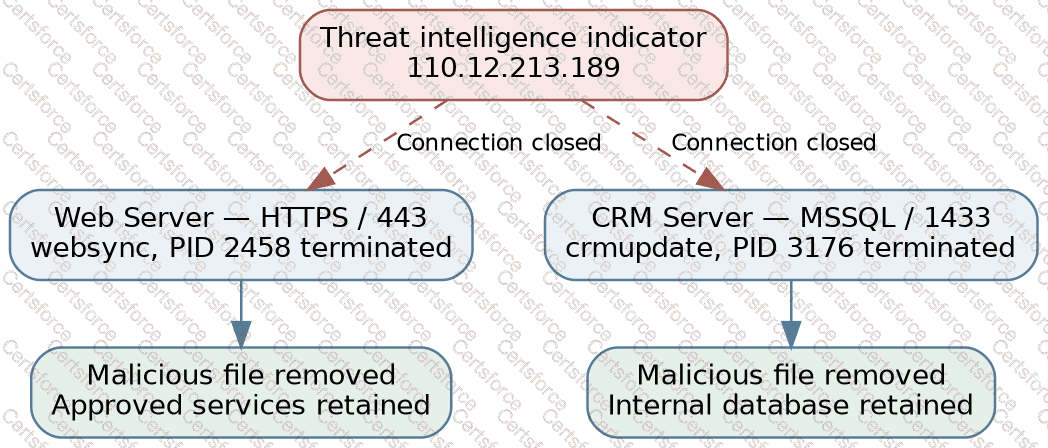
You must review the available threat intelligence feeds, investigate the network connections and running processes on both servers, and remediate any confirmed compromise without interrupting legitimate banking services.
INSTRUCTIONS:
Click on each threat intelligence feed and console connection to:
• Review the appropriate threat intelligence feed.
• Determine if the servers are targeted.
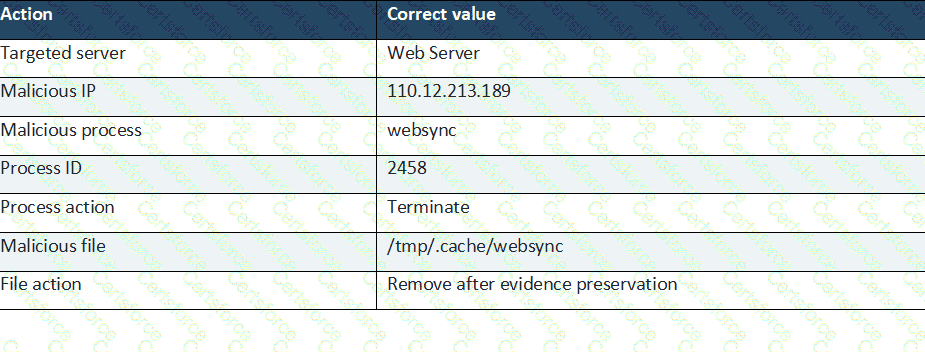
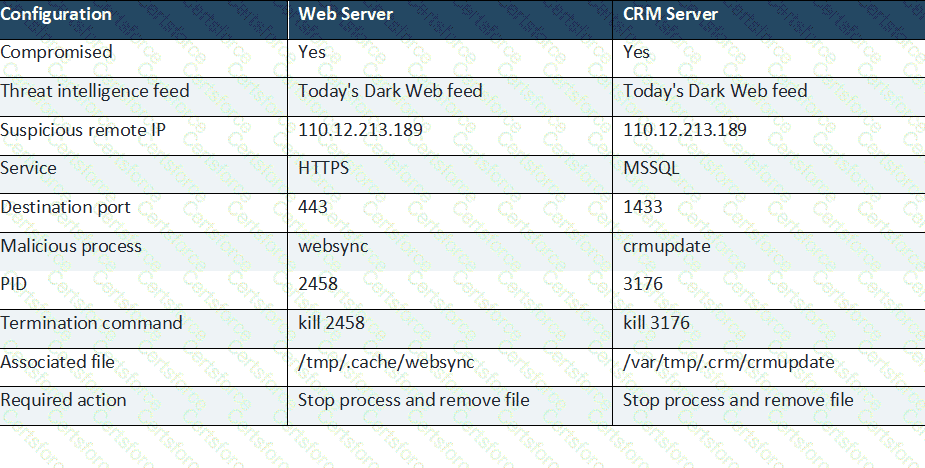
• Remediate any compromise by stopping only the process connecting to bad hosts and removing the associated file.
Type help to view a list of available commands for each console.
If at any time you would like to return to the initial state of the simulation, click the Reset All button.
Exhibit 1 — Original simulation interface
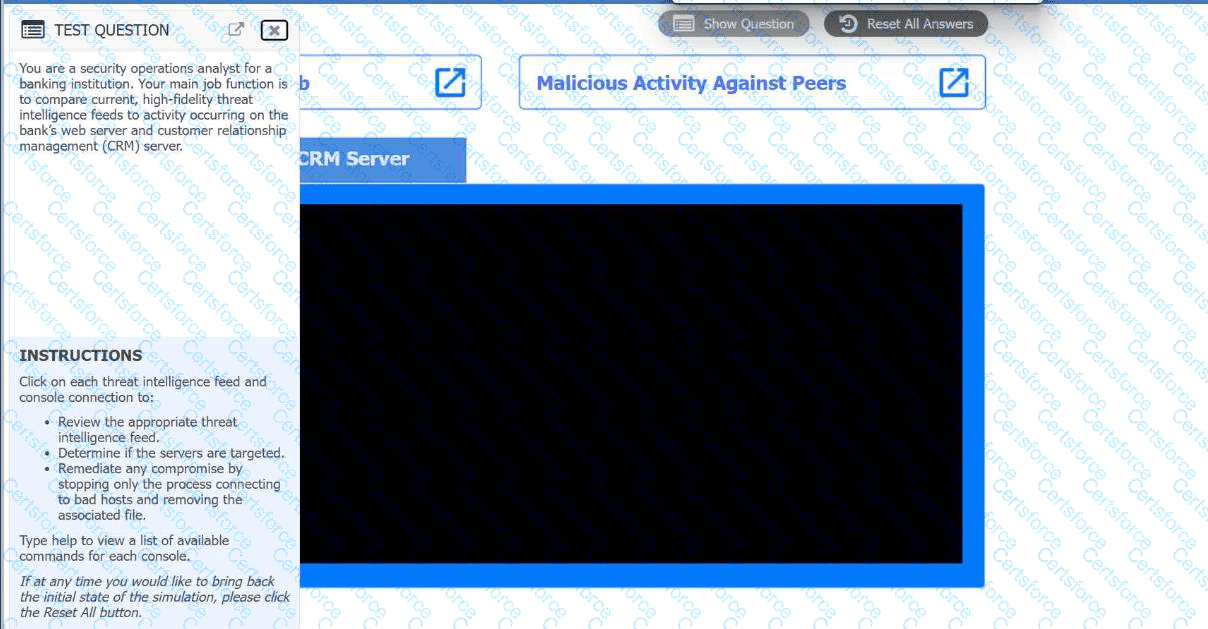
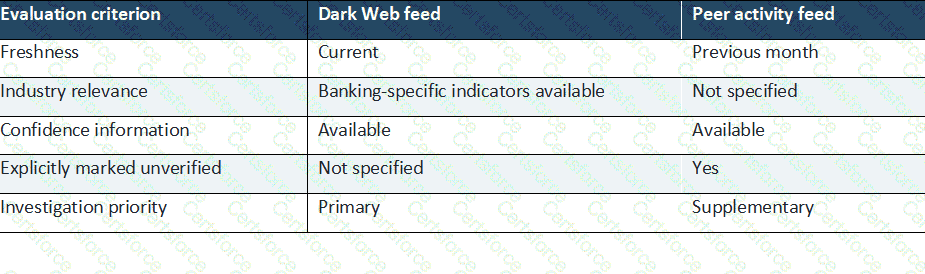
Exhibit 2 — Bad Actors for the Dark Web
Internal Security Operations Center — Today ' s Updated Threat Intelligence
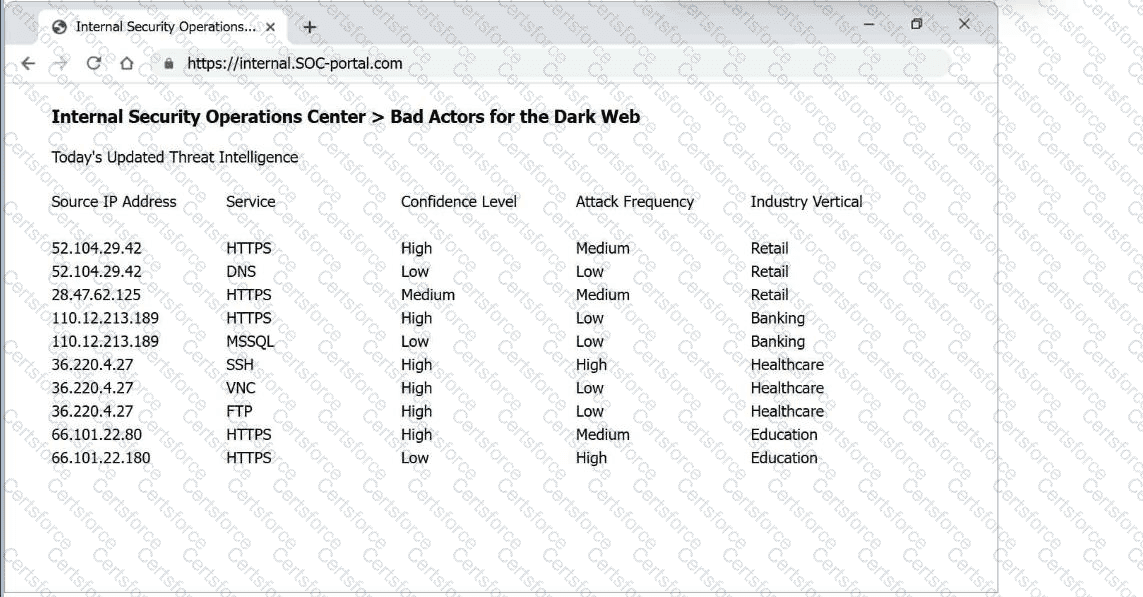
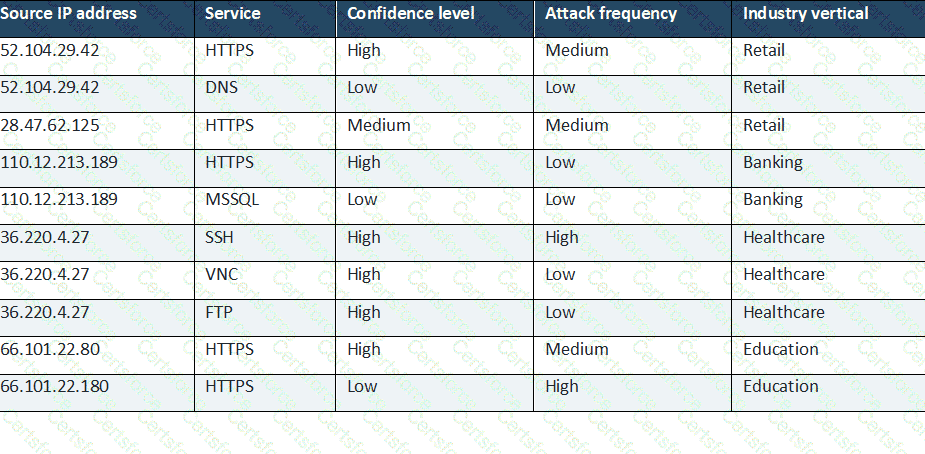
Exhibit 3 — Malicious Activity Against Peers
Internal Security Operations Center — Malicious Activity from Previous Month
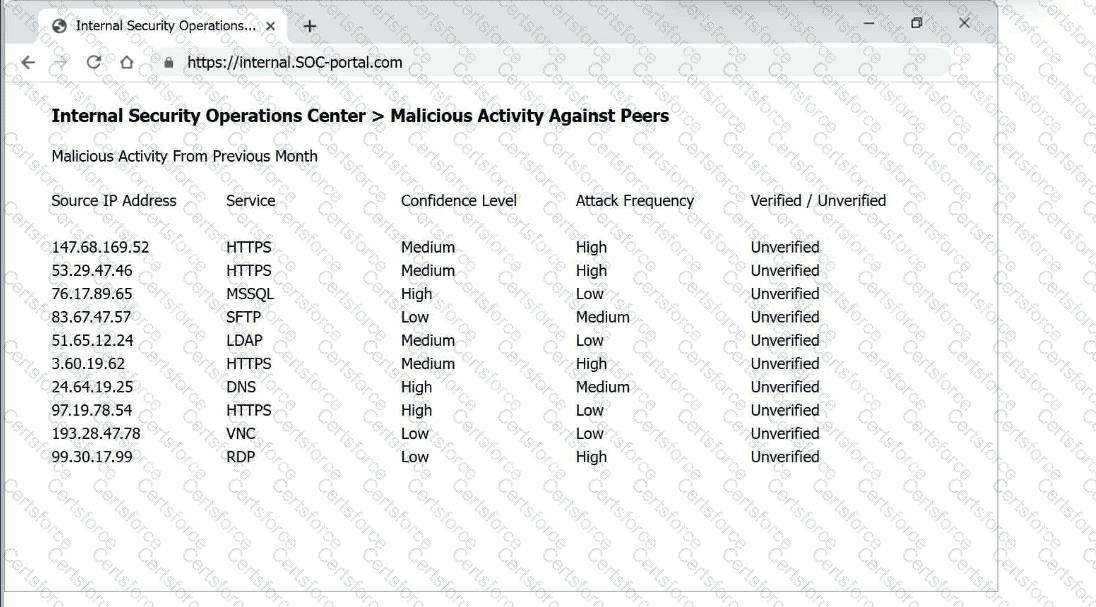
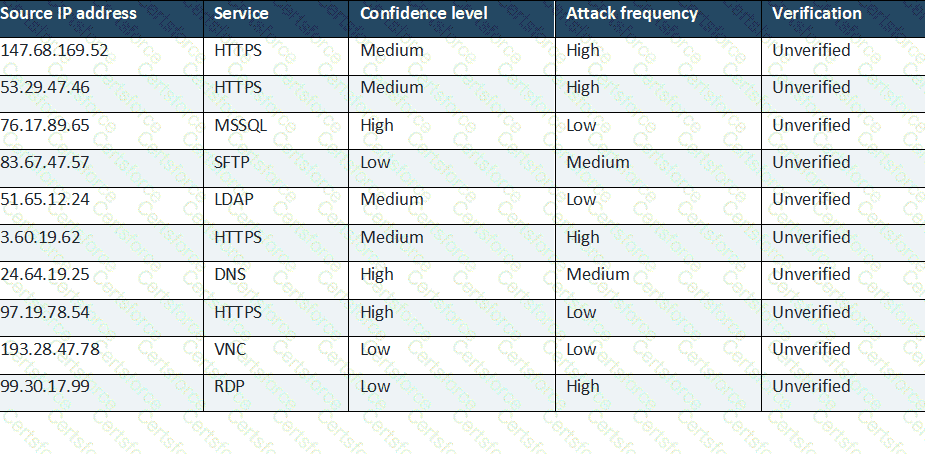
Supplementary server evidence
Exhibit 4 — Network infrastructure
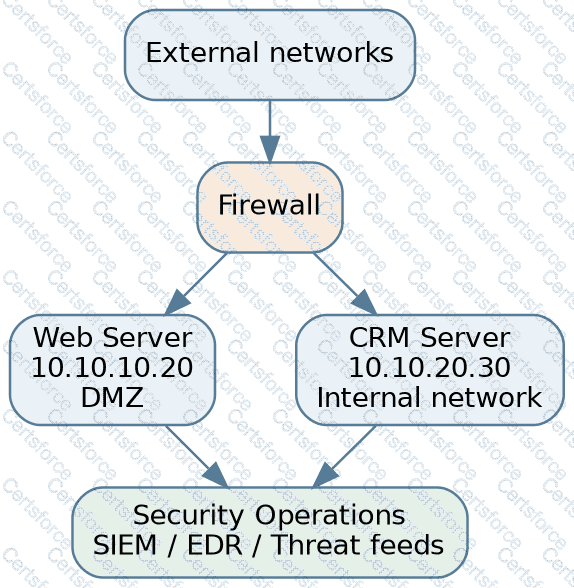
Generated network topology for the reconstructed banking scenario.
Exhibit 5 — Available console commands
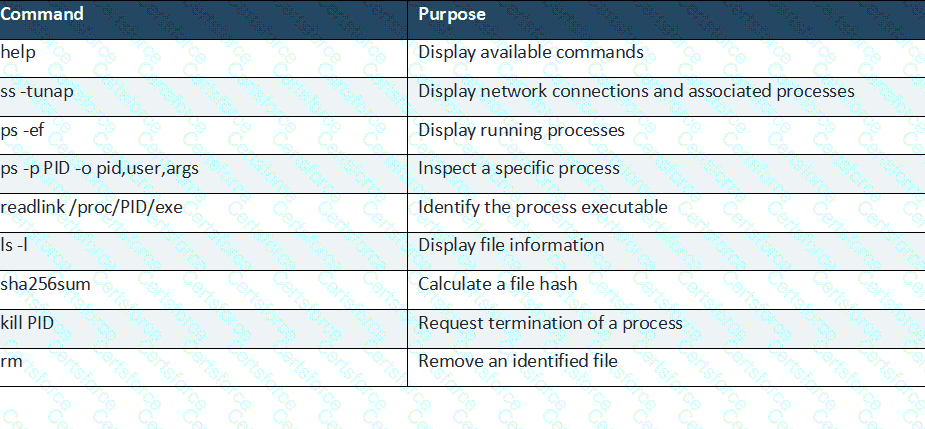
These are illustrative Linux commands. The original simulator may implement a different subset of commands.
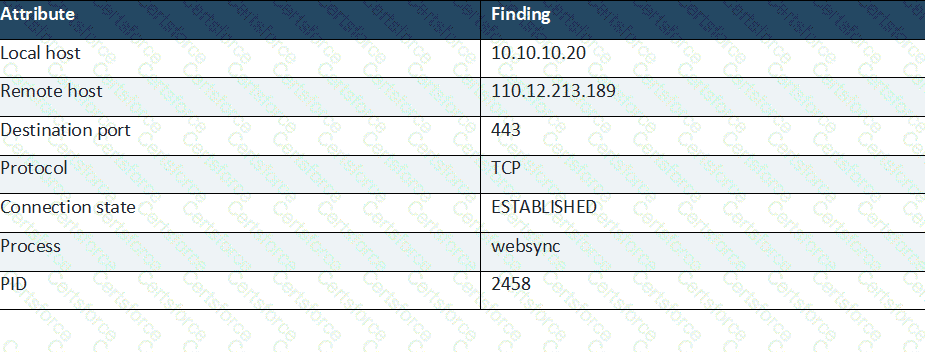
Exhibit 6 — Web server active network connections
[root@webserver ~]# ss -tunap
State: ESTAB
Local: 10.10.10.20:443
Peer: 198.51.100.25:51022
Process: nginx, PID 812
State: ESTAB
Local: 10.10.10.20:51544
Peer: 110.12.213.189:443
Process: websync, PID 2458
State: ESTAB
Local: 10.10.10.20:49280
Peer: 10.10.30.10:443
Process: backup-agent, PID 1021
State: ESTAB
Local: 10.10.10.20:22
Peer: 10.10.40.15:56120
Process: sshd, PID 1190
[root@webserver ~]#
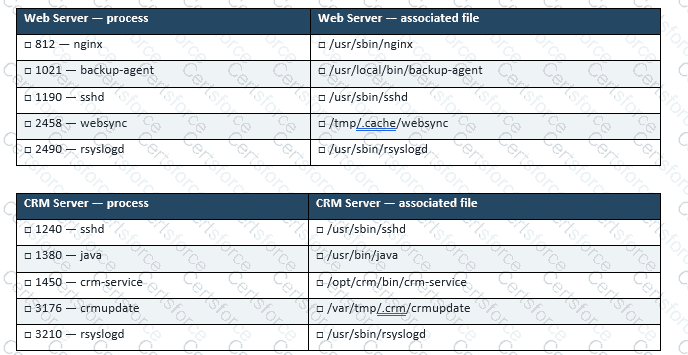
Exhibit 7 — Web server running processes
Command executed: ps -ef
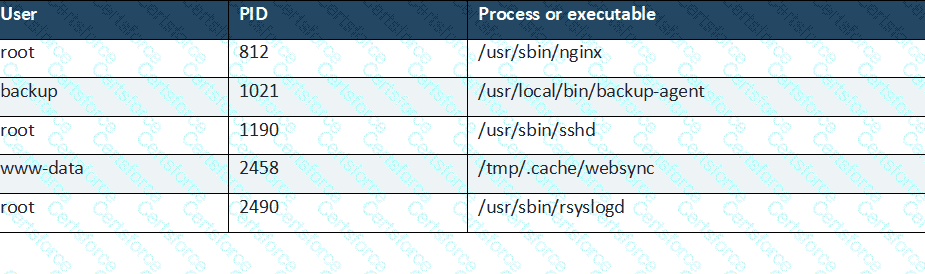
Exhibit 8 — Web server endpoint security alert
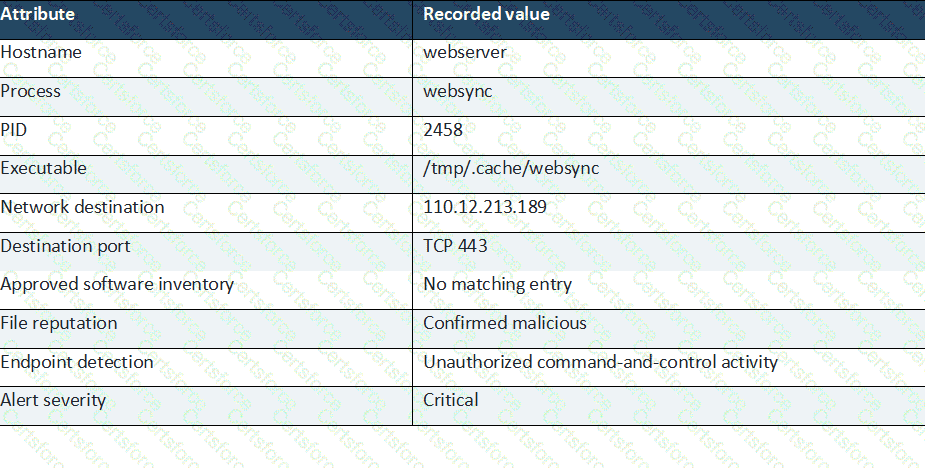
The endpoint alert provides independent evidence that the suspicious network connection is associated with malicious activity.
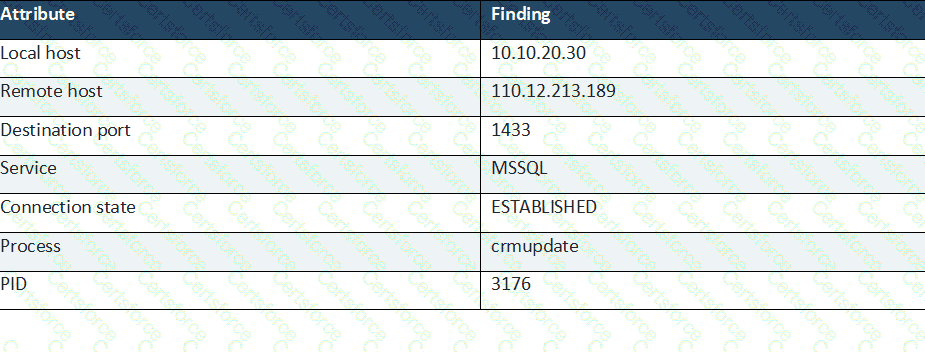
Exhibit 9 — CRM server active network connections
[root@crmserver ~]# ss -tunap
State: ESTAB
Local: 10.10.20.30:8443
Peer: 10.10.40.21:53120
Process: java, PID 1380
State: ESTAB
Local: 10.10.20.30:50211
Peer: 10.10.20.40:1433
Process: crm-service, PID 1450
State: ESTAB
Local: 10.10.20.30:51460
Peer: 110.12.213.189:1433
Process: crmupdate, PID 3176
State: ESTAB
Local: 10.10.20.30:22
Peer: 10.10.40.15:57011
Process: sshd, PID 1240
[root@crmserver ~]#
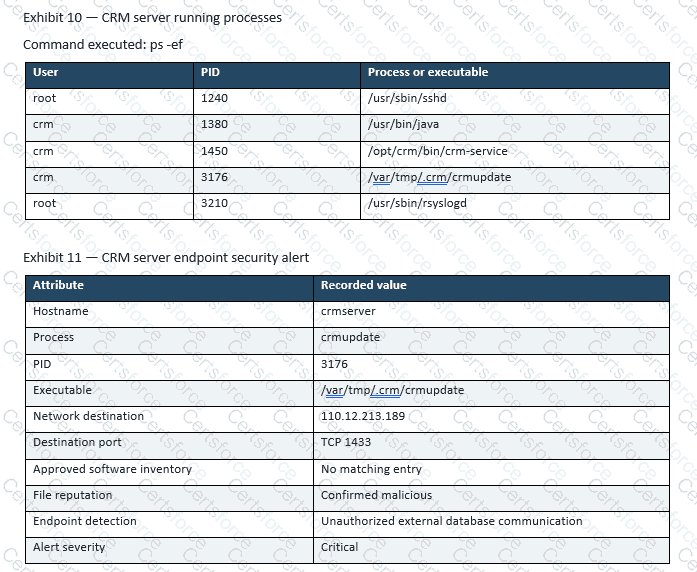
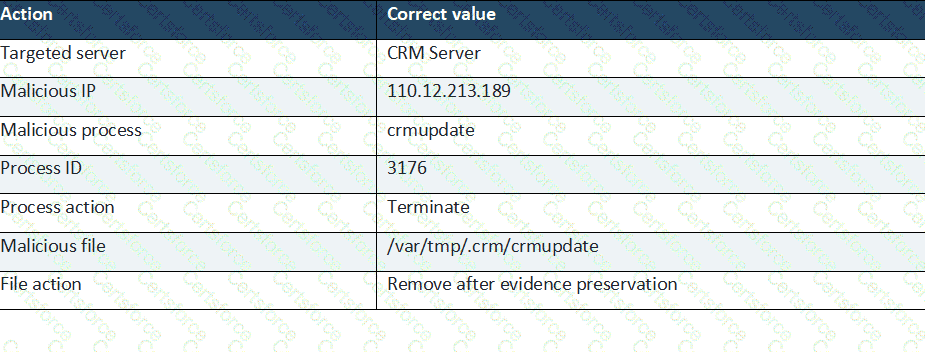
Although the initial MSSQL threat intelligence record has low confidence, the endpoint security evidence confirms that the associated process is malicious in this reconstructed scenario.
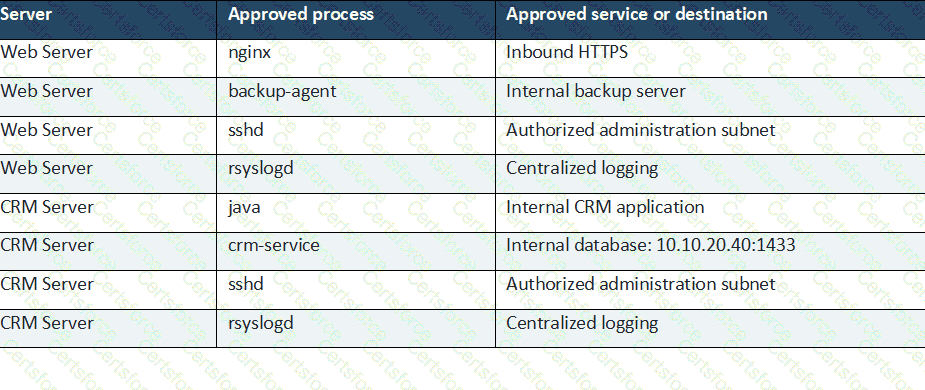
Exhibit 12 — Approved services and destinations
Answer area — Simulation console
Review the source threat intelligence and reconstructed console evidence. Select the malicious process and associated executable for each affected server.
Select the primary threat intelligence feed:
□ Bad Actors for the Dark Web — Today ' s feed
□ Malicious Activity Against Peers — Previous month


Submit